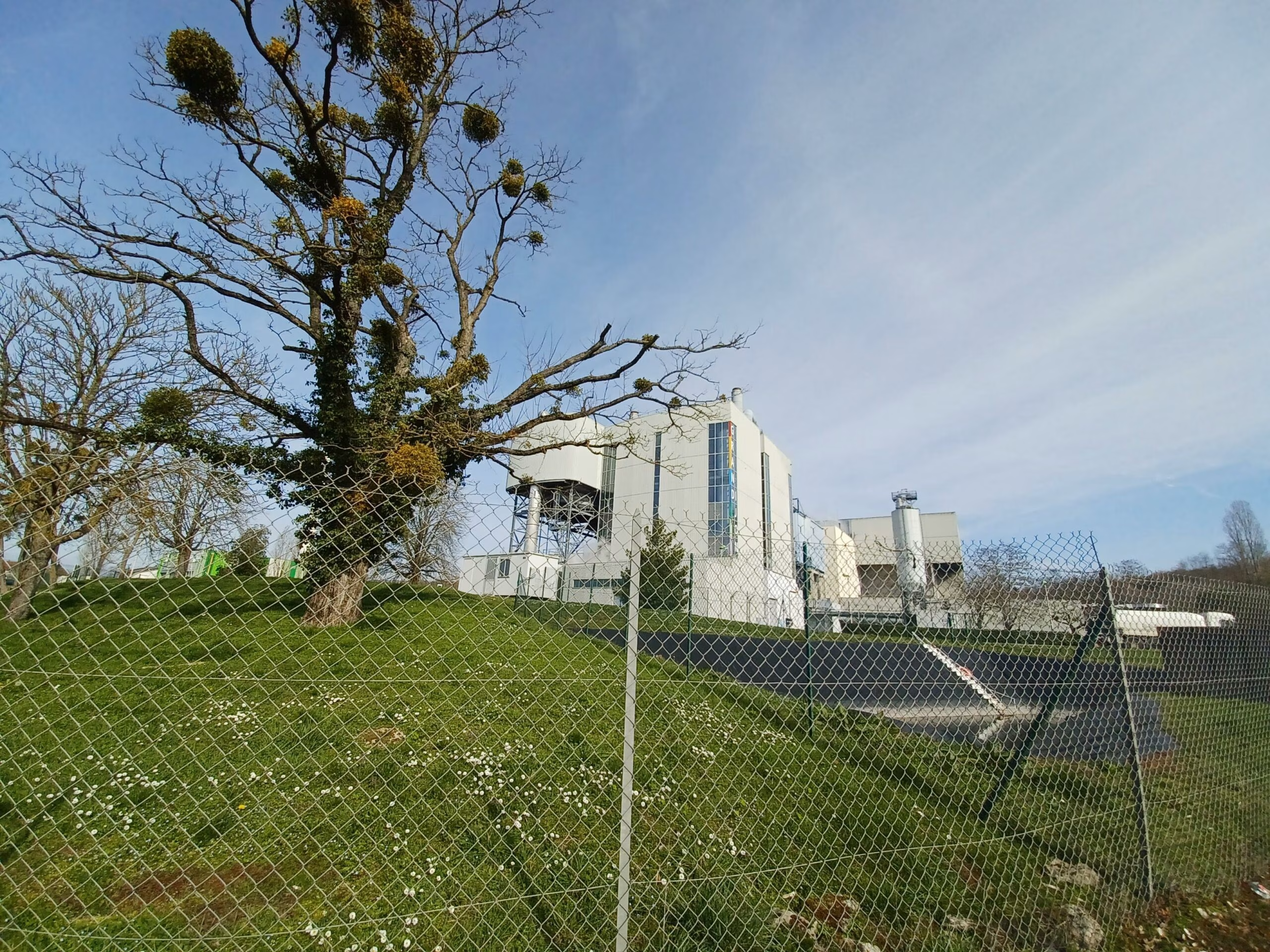
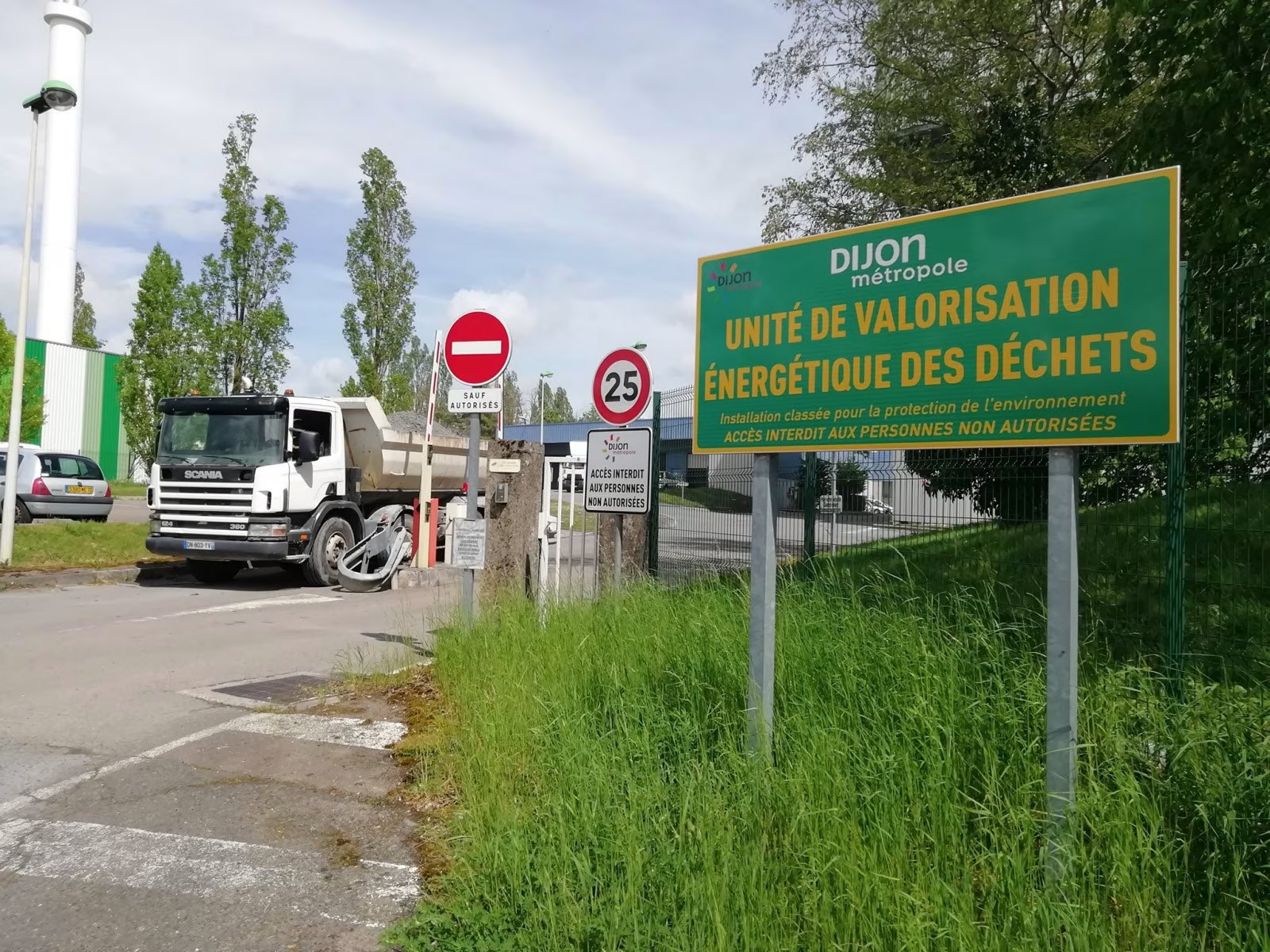
Dijon Métropole's Urban Waste Management Unit is modernizing with Naldeo and Elcimaï Environnement !
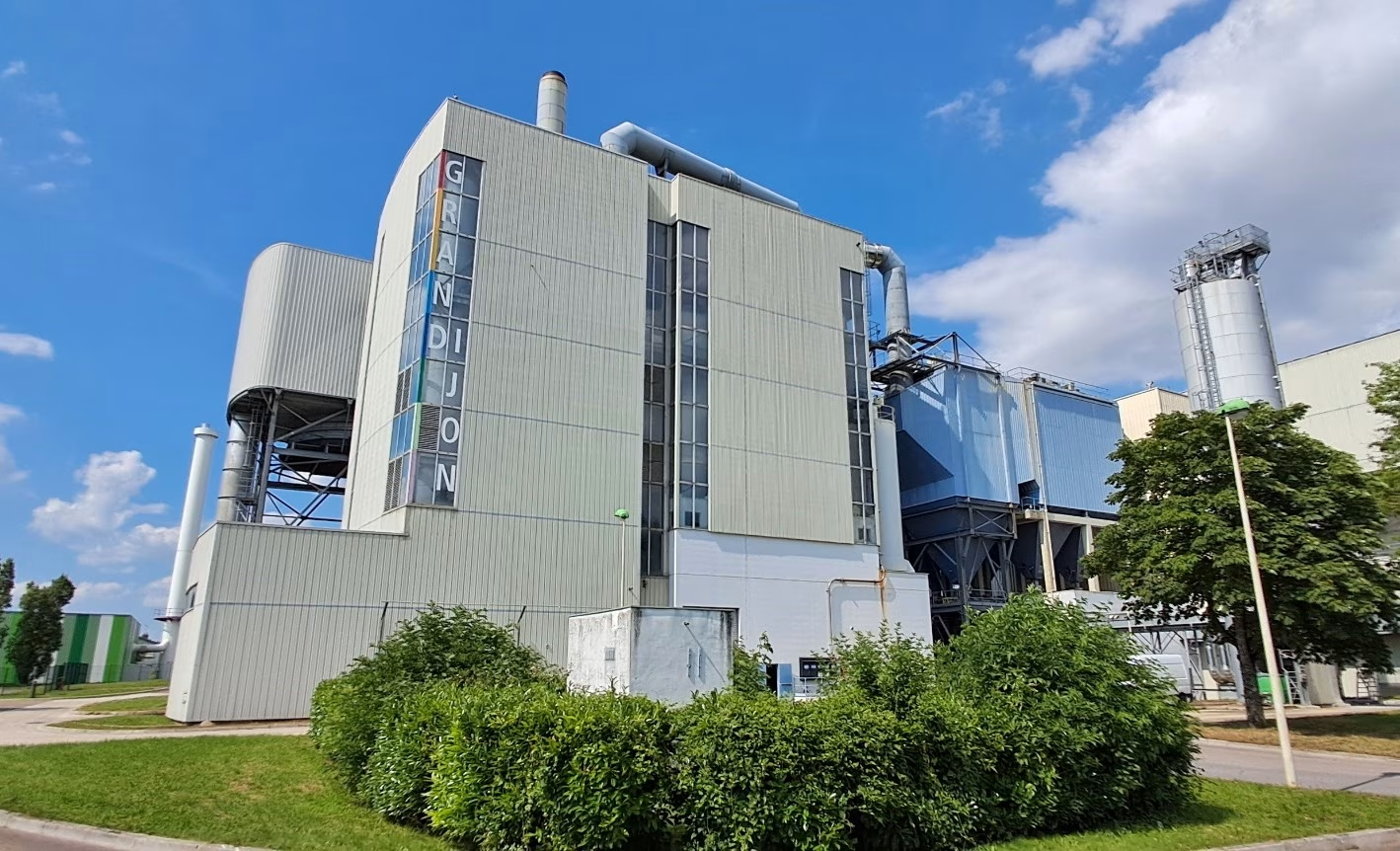
Elcimaï Environnement, as part of a consortium led by the engineering firm Naldeo and in collaboration with the architectural firm Architrav, is assisting Dijon Métropole with the modernization of its waste-to-energy plant (WTE).
This is a major project that will play a central role in both the waste management sector and the region’s energy transition.
A Strategic Project for Waste Management and the Energy Transition
Dijon Métropole’s waste-to-energy plant (WTE), which has been operating as a public service since 1975, is a vital link in the region’s waste management chain : it processes waste from 93 % of the Côte-d’Or population and supplies the local network with heat and electricity.
The site already helps reduce landfill waste, secure the local energy supply, and assist neighboring municipalities in managing their waste. The modernization project will maintain the current waste treatment capacity at 140,000 tons per year, while increasing the plant’s heat production by 50 %.
By 2030, the energy produced by the UVE will account for 37 % of the energy supplying the Dijon Métropole district heating network.
Modernization without interruption : a major project and guaranteed service
Conducting the work in phases will ensure that two processing lines—one new and one modernized—are available, while maintaining continuous waste processing and heat supply to the district heating network. Both current lines will remain operational during the first phase, while a new line is being built. Once this new line is commissioned, one of the two existing lines will be renovated and the second dismantled.
This approach prevents any diversion of waste to other treatment facilities and ensures a secure energy supply for residents.
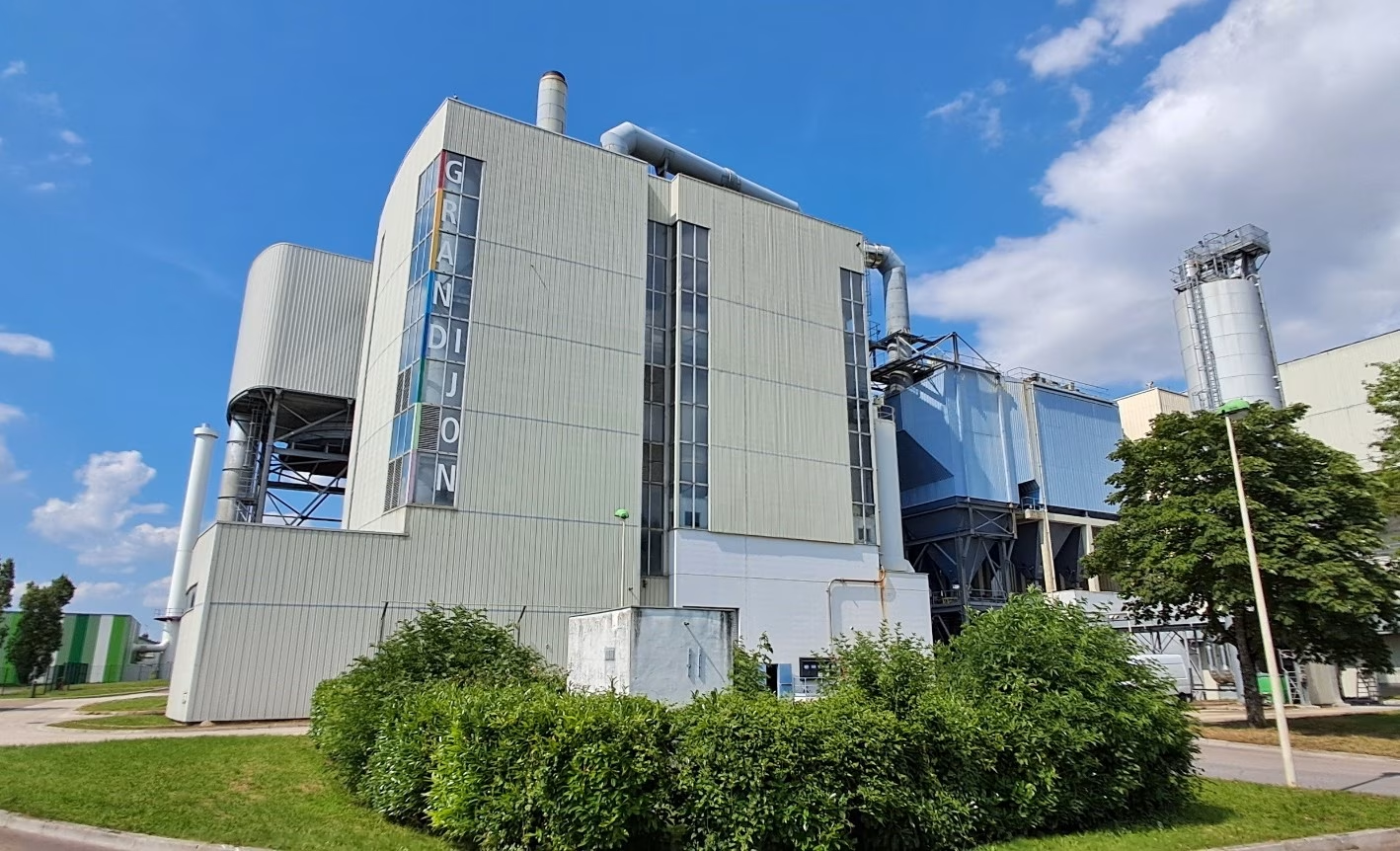
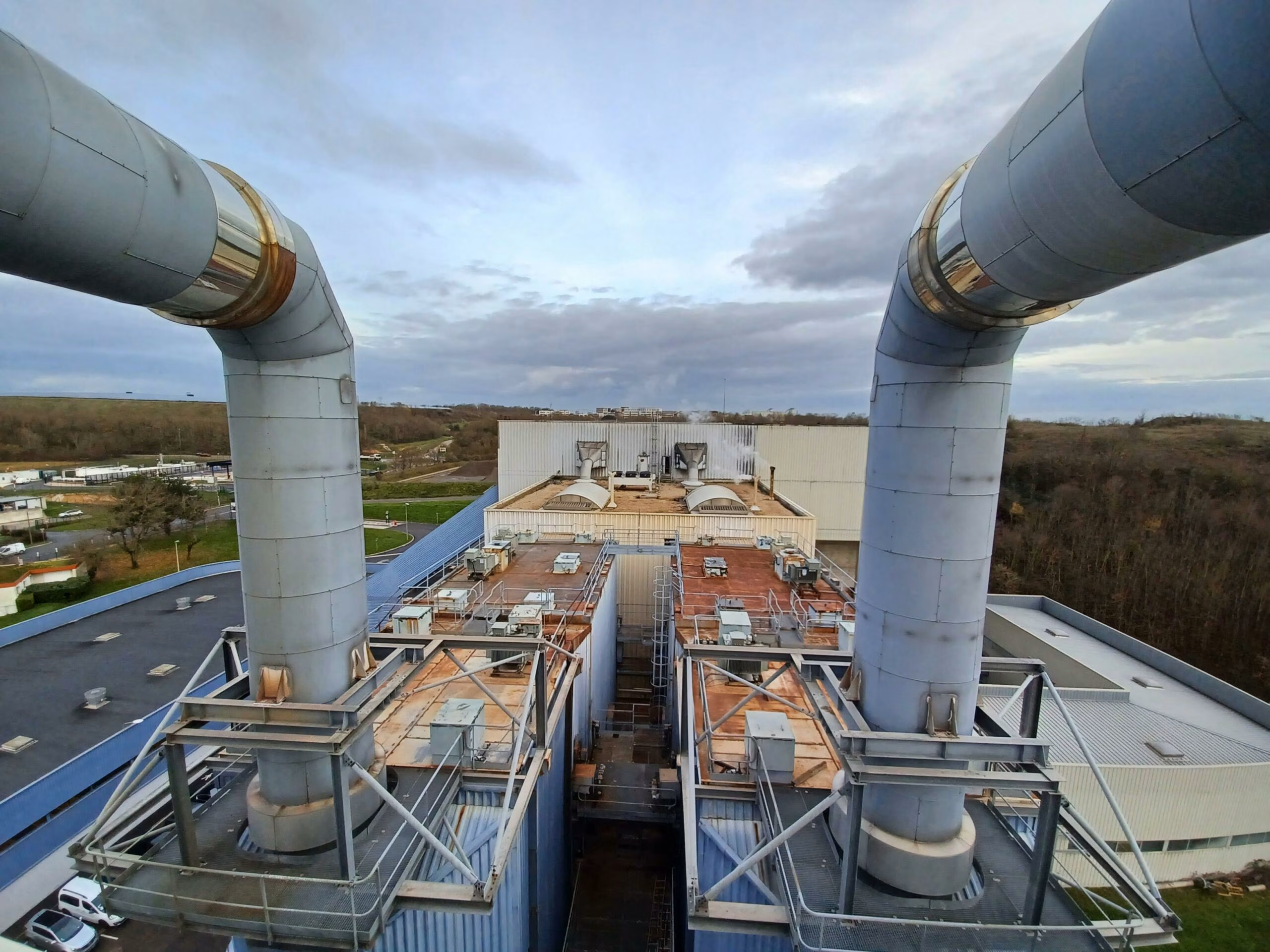
A dual challenge : anticipating regulations and reducing environmental impact
While the goal is to increase “low-carbon” energy production, it is also about reducing the environmental impact of the plant’s operations.
Thus, improved flue gas treatment will significantly reduce water consumption (-110,000 m³/year) and emissions to air and water, while improving the site’s energy efficiency.
The project anticipates future European environmental standards and strengthens UVE’s position as a national leader in decarbonization.
Horizon 2030 : Crucial Support for a Successful Transition
Following the presentation of preliminary studies and the vote by elected officials on the construction program on December 19, the project was officially launched.
A phase of detailed studies and consultations with the project managers is now underway, with the goal of starting construction in 2027. The project management support mission will draw on the multidisciplinary expertise of our teams throughout the various phases of the project, through 2032.
This ambitious project demonstrates Dijon Métropole’s commitment to more sustainable waste management and a successful regional energy transition.